Plumbing
Sewer Backup in Houston: What to Do Right Now
Sewage coming up through drains is a health hazard. Stop using water, protect your family, and get a plumber on the way.
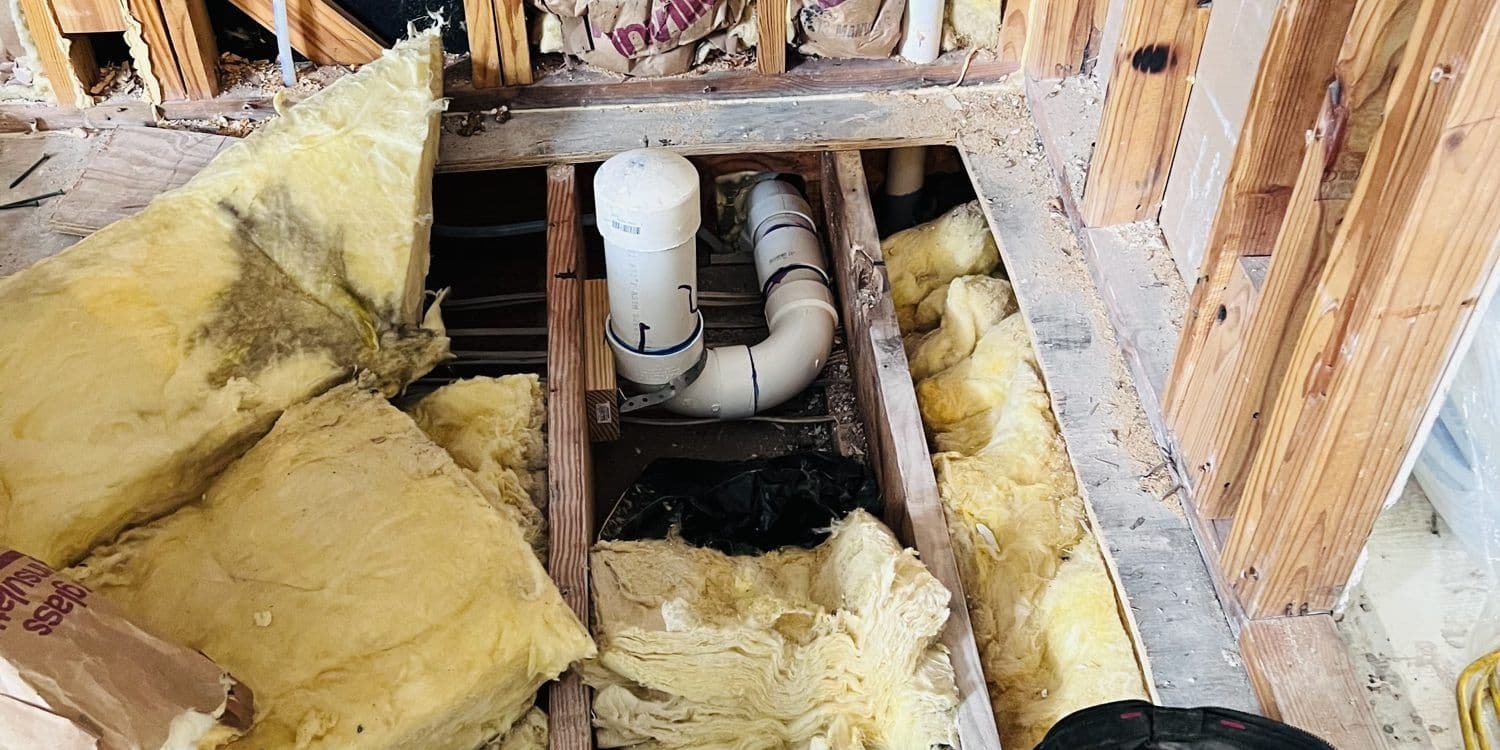
Key Takeaway
Sewage coming up through drains is a health hazard. Stop using water, protect your family, and get a plumber on the way.
Keep reading for step-by-step instructions.
Stop Everything First
CRITICAL: Do not use any water in your home until you know what you are dealing with. Every flush, every sink, every load of laundry pushes more sewage backward into your living space.
The moment you see or smell a backup, do these things immediately:
- Stop flushing toilets in any part of the house
- Turn off the washing machine if it is running
- Do not run the dishwasher
- Do not let anyone shower or run faucets
- If sewage is actively pooling, get people and pets out of that area
One toilet flush is roughly 1.6 gallons. One shower is 2 gallons per minute. None of that water has anywhere to go right now except back up through your drains.
This Is a Health Emergency, Not Just a Plumbing Problem
WARNING: Sewage is classified as Category 3 water — also called black water. It contains bacteria, viruses, and pathogens that cause serious illness. Do not touch it with bare hands. Do not let children near it. Do not run fans or an HVAC system that could spread contaminated air through your home.
If sewage has backed up into a bathroom or laundry room, treat that space as contaminated until a professional cleans it. This is not a mop-and-bleach situation. Proper remediation requires protective equipment and commercial-grade disinfectants.
Keep the affected area closed off and wash your hands thoroughly if you came into contact with any water in the space.
Is It a Main Line Clog or a Branch Line Clog?
This distinction determines everything — including whether you can handle it yourself or need to call a plumber immediately.
Branch Line Clog
A branch line serves a single fixture. If only one toilet is backing up or one sink is draining slowly, you likely have a localized clog in that fixture's branch line. A plunger is a reasonable first step.
Main Line Clog
A main line clog affects your entire house. Here is how to know:
- Multiple drains are slow or backing up at the same time
- Flushing one toilet causes water to bubble up in another toilet or in the bathtub
- Running the washing machine causes a floor drain to overflow
- Sewage smell is coming from multiple drains
NOTE: The main sewer line is the single pipe that carries all wastewater from your home to the city sewer system. When it is blocked, there is no drain in your house that works properly.
If you are seeing any of the multi-drain symptoms above, stop all water use immediately and call a plumber. This is not a DIY situation.
"One slow drain usually means a clog — and that's a simple fix. But when every drain in the house is sluggish at the same time, that points to the main sewer line."
— Hristo Panov, ARG Plumbing
How to Find Your Sewer Cleanout in Houston
The sewer cleanout is your plumber's entry point to the main line. Knowing where it is saves time when you are on the phone with a plumber at 10 PM on a Sunday.
In Houston homes, the cleanout is typically:
- A white or black PVC cap (3 to 4 inches in diameter) sticking 3 to 6 inches above the ground
- Located in the yard, usually along the side of the house or near the front
- Sometimes near the foundation, close to a bathroom or utility room
- In older homes, it may be an older cast iron fitting rather than PVC
TIP: Once you find it, mark it with a small landscaping flag or take a photo of the location. You will be glad you did the next time you need it.
Check the street cleanout: is it your line or the city's?
If you have a cleanout near the street, it does one more job. Houston Public Works says cleanouts "are used to mark the limits of the City's public collection system." Pipes on your side are yours to fix; pipes in the public right-of-way are the City's.
The City's own test takes ten seconds:
- Open the cleanout cap by the street.
- Sewer water standing in the pipe? The blockage is on the City's side. Call 311 (713-837-0311 from outside city limits) or submit a 311 request.
- Dry? In the City's words, "it is a sewer blockage on your private line." Call a licensed plumber.
NOTE: Source: Houston Public Works, Protect Our Pipes. Doing this check first can save you a plumber's trip fee for a problem the City is responsible for.
Why Sewer Backups Happen More in Houston
Aging clay and cast iron lines. Neighborhoods like The Heights, Montrose, East End, and Meyerland were built decades ago. Many of those homes still have original clay or cast iron sewer lines. Clay is porous and brittle. Over time it cracks, collapses, and becomes a trap for roots and debris.
Tree root intrusion. Houston's soil and climate are ideal for aggressive root systems. Live oaks, magnolias, and even crape myrtles send roots long distances in search of moisture. A small crack in a clay sewer line is all the invitation a root needs.
Houston's flat terrain. The city sits on essentially flat land, which means sewer lines have very little natural slope to help gravity move waste. Grease, debris, and sediment build up more easily than they would in hillier cities.
Heavy rain and system overload. During significant rain events, Houston's municipal sewer system can become overwhelmed. When the city system backs up, that pressure can reverse-flow into residential lines.
"Houston's flat terrain means your sewer lines have almost no help from gravity. Everything that goes down has to be pushed out — and when the push stops, it comes back."
What a Plumber Will Do
- Access the cleanout. The plumber opens the sewer cleanout cap to release pressure and assess the backup.
- Snake or auger the line. For a straightforward clog, a motorized drain snake can break up and pull out the blockage.
- Camera inspection. If the cause is not obvious or the problem is recurring, the plumber threads a waterproof camera through the line to see what is happening inside.
- Hydro-jetting. High-pressure water (up to 4,000 PSI) is used to blast grease, roots, and scale out of the pipe entirely.
- Root cutting. Mechanical root cutters can remove root masses inside the pipe.
- Repair or replacement. If the camera shows a collapsed pipe, severe cracking, or significant offset, the plumber will recommend repair or full replacement.
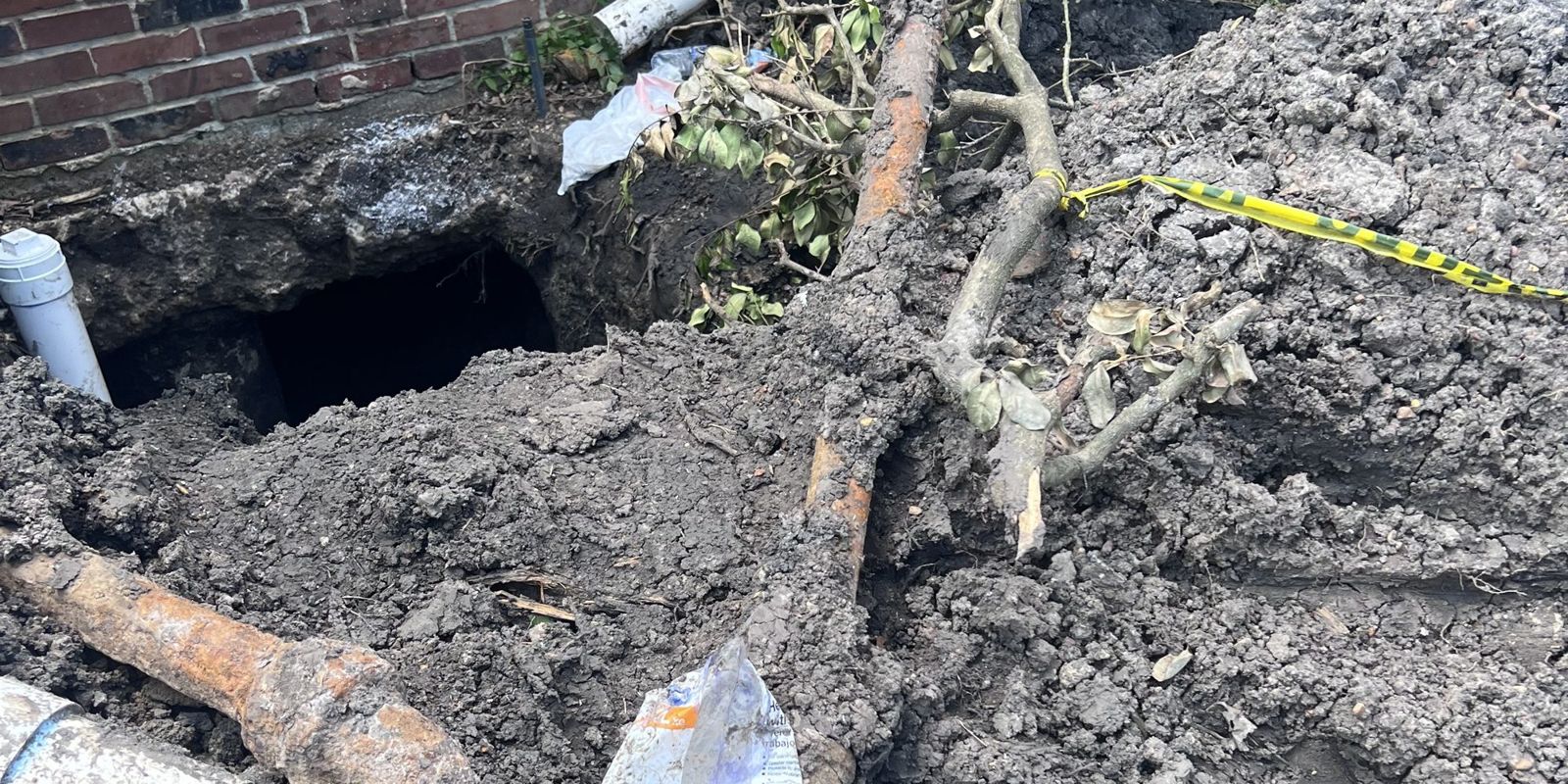
If the camera shows roots or broken cast iron, the line itself is the problem. Hristo Panov of ARG Plumbing, who replaces sewer lines, lists the five signs it is time for a new one.
What It Costs in Houston
| Service | Typical Cost Range |
|---|---|
| Drain cleaning (main line snake) | $150 – $400 |
| Camera inspection | $200 – $500 |
| Hydro-jetting | $300 – $600 |
| Main line repair (partial) | $2,000 – $8,000 |
| Full sewer line replacement | $5,000 – $15,000 |
| Trenchless pipe lining | $3,000 – $10,000 |
NOTE: Trenchless repair (pipe bursting or CIPP lining) can save significant money on landscaping and concrete restoration compared to traditional open-trench replacement. Ask your plumber if your line is a candidate.
Prevention: What You Can Do Going Forward
- Never pour grease down any drain. It solidifies in the pipe and builds up over years.
- Use toilet paper only in toilets. Wipes labeled "flushable" are not.
- Have your main line camera-inspected every 3 to 5 years if you live in an older Houston neighborhood.
- Treat root intrusion proactively. Foaming root killers applied twice a year can slow root growth inside pipes without killing your trees.
- Consider a backwater prevention valve. This one-way valve prevents city sewer backflow from entering your home during heavy rain events.
The City backs up the first two. According to Houston Public Works, "70% of sewer overflows in Houston are caused by clogs from fats, oils and grease poured down the drain and wipes flushed down toilets," and it responds to twice as many grease-related overflows once the weather turns cold. Its rule of thumb: only flush the three P's (pee, poo, and toilet paper), and pour grease into a can, cool it, and toss it in the trash. More at Protect Our Pipes.
Common Questions
Frequently Asked Questions
What causes a sewer backup in Houston?
The most common causes are main line clogs from grease and debris buildup, tree root intrusion into aging clay or cast iron pipes, and city sewer system overloads during heavy rain events. Houston's older inner-loop neighborhoods are especially vulnerable due to original-era pipe materials that are now 50 to 80 years old.
How do I find my sewer cleanout?
Walk the perimeter of your house and look for a white or black PVC cap (3 to 4 inches wide) sticking up from the ground, usually along the side of the house near a bathroom or utility area. In older homes it may be a cast iron fitting, and it may be partially buried under mulch or soil.
Is sewage backup covered by homeowners insurance?
Standard homeowners insurance policies typically do not cover sewer backups unless you have purchased a specific sewer backup or service line endorsement. Review your policy and call your agent.
How much does main sewer line repair cost in Houston?
A basic drain cleaning runs $150 to $400. If the line needs camera inspection and hydro-jetting, budget $500 to $1,000. Partial repairs run $2,000 to $8,000 depending on depth and access. Full sewer line replacement typically costs $5,000 to $15,000.
Can tree roots really break sewer lines?
Yes, and it happens more in Houston than most homeowners realize. Roots enter through tiny cracks or loose joints, then grow inside the pipe until they form a full blockage. Live oaks and magnolias are the most common culprits in Houston yards.
How do I prevent sewer backups?
The most effective steps are keeping grease and wipes out of your drains, having your main line inspected every few years, and applying a root-killing treatment twice a year if you have mature trees near your sewer line. A backwater prevention valve is the best protection against city system overflows.
Houston areas we serve
Ready to get help?
Get trusted help from a trusted source.
License-verified pros we vouch for, open for business in your area.
Get Trusted Help