Plumbing
Water Heater Failure: What Houston Homeowners Need to Know
No hot water? Diagnose the problem, troubleshoot by heater type, and know when repair vs. replacement makes sense.
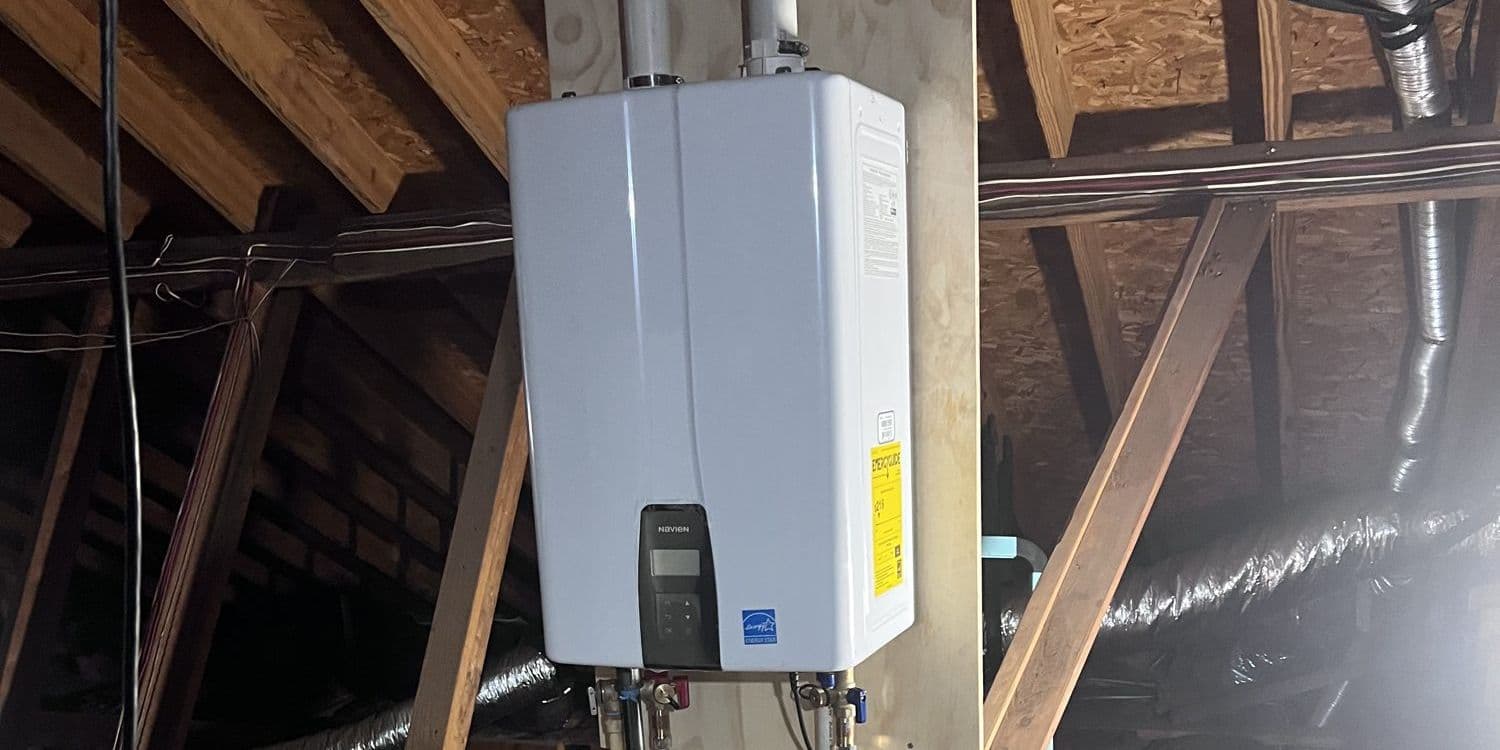
Key Takeaway
No hot water? Diagnose the problem, troubleshoot by heater type, and know when repair vs. replacement makes sense.
Keep reading for step-by-step instructions.
Quick Diagnosis: What's Actually Wrong
Before you touch anything, answer these three questions:
- Do you have no hot water at all, or just lukewarm water?
- Is your heater gas or electric?
- How old is the unit? Check the label on the tank — the manufacture date is usually embedded in the serial number.
Your answers narrow the field significantly. A unit under 8 years old with no hot water likely has a failed component. A unit over 12 years old with any symptoms is a replacement conversation.
NOTE: Houston's hard water accelerates wear on every internal component. A water heater that lasts 12-15 years in a softer-water city might give you 8-10 years here. That's not a sales pitch — it's the reality of mineral-heavy water.
"Most water heater problems come down to three things: age, sediment, and a failed component. Two of those are fixable. One is not."
Gas Water Heater Troubleshooting
-
Check the pilot light. Look through the small window at the base of the unit. If you see no flame, the pilot is out. Most modern gas heaters have electronic ignition — locate the igniter button and press it according to your model's instructions. If it won't light after three attempts, move on.
-
Check the gas supply. Make sure the shutoff valve on the gas line is in the open position (handle parallel to the pipe). If other gas appliances in the home are working, the supply line is fine.
-
Inspect the thermocouple. The thermocouple is a small sensor that sits in the pilot flame. If it fails, the gas valve shuts off as a safety measure. A faulty thermocouple is one of the most common gas water heater repairs and typically costs $20-$50 in parts — but requires a plumber to replace safely.
-
Check the thermostat setting. The temperature dial should be set between 120°F and 140°F. If it was accidentally turned down, that's your problem. If it's set correctly and the water is still cold, the thermostat itself may have failed.
-
Listen and smell. Rumbling or popping sounds from inside the tank mean sediment buildup — a Houston water heater's most common enemy. A sulfur or rotten egg smell near the unit is a gas leak. Stop reading and act immediately.
WARNING: Never attempt to relight a pilot light if you smell gas. Leave the house, leave the door open, and call your gas provider from outside.
Electric Water Heater Troubleshooting
-
Check the circuit breaker. Go to your electrical panel and look for the breaker labeled "water heater." If it's tripped, reset it once. If it trips again immediately, there is an electrical fault in the unit — call a plumber or electrician.
-
Press the reset button. Most electric water heaters have a high-limit reset button on the upper thermostat, behind the access panel. Remove the panel (it's usually just screws), press the red reset button firmly, and replace the panel. Give the unit 30-60 minutes to reheat.
-
Test the heating elements. Electric heaters use two heating elements — upper and lower. If you have lukewarm water but not hot water, the upper element has likely failed. If the water is warm only at first and then goes cold, the lower element is the problem.
-
Check both thermostats. Each heating element has its own thermostat. Both should be set to the same temperature, typically 120°F. Mismatched settings or a failed thermostat will cause inconsistent hot water.
TIP: If you reset the breaker and the unit still won't heat after an hour, the problem is almost certainly a failed heating element or thermostat — not the breaker. Don't keep resetting it hoping for a different result.
Houston Hard Water: The Hidden Killer of Water Heaters
Houston's water supply carries a significant mineral load. That mineral content — primarily calcium and magnesium — settles at the bottom of your tank over time, forming a layer of sediment that:
- Insulates the water from the burner or heating elements
- Forces the unit to work harder and run longer
- Causes the rumbling or popping sounds you may have heard
- Accelerates corrosion of the tank lining
"In Houston, sediment buildup isn't a matter of if — it's a matter of when. Flushing your tank annually is the single best thing you can do to extend its life."
Annual tank flushing can add years to your unit's lifespan. Most plumbers recommend it every 12 months for Houston homes. If your unit has never been flushed and it's over five years old, budget for a professional flush and inspection — a $100-$150 service call that can delay a $1,500 replacement.
NOTE: Tankless water heaters are also affected by Houston hard water. They require annual descaling to prevent mineral buildup in the heat exchanger.
T&P Valve and Gas Leak Safety
The T&P (Temperature and Pressure) relief valve is a safety device mounted on the side of your tank with a pipe running down toward the floor. It releases pressure if the tank overheats or over-pressurizes.
CRITICAL: A leaking or failed T&P valve is not optional maintenance. It is a safety issue. A water heater without a functioning T&P valve can, in extreme cases, rupture. Call a plumber.
If you smell gas near your water heater:
- Do not turn any lights or switches on or off.
- Do not use your phone inside the house.
- Leave the home immediately and leave the door open as you go.
- Call CenterPoint Energy's emergency line from outside: 713-659-2111.
- Do not re-enter until a technician clears the home.
Tank vs. Tankless: Which One for Your Houston Home?
| Factor | Tank Heater | Tankless Heater |
|---|---|---|
| Upfront cost | $800–$1,500 installed | $2,000–$4,500 installed |
| Lifespan (Houston) | 8–12 years | 15–20 years |
| Monthly energy cost | Higher | Lower |
| Hot water supply | Limited by tank size | Unlimited (on-demand) |
| Maintenance | Annual flush | Annual descaling |
For most Houston homeowners replacing a failed tank heater, the decision comes down to budget and long-term thinking. Tankless units cost more upfront but last longer and cost less to operate.
When to Call a Pro for Water Heater Repair in Houston
Call a licensed plumber when you're dealing with:
- Any gas line issue or suspected leak
- A failed T&P valve
- Rust-colored water coming from hot taps
- A unit that is leaking from the base
- A unit over 12 years old with any symptom
- Repeated breaker trips on an electric unit
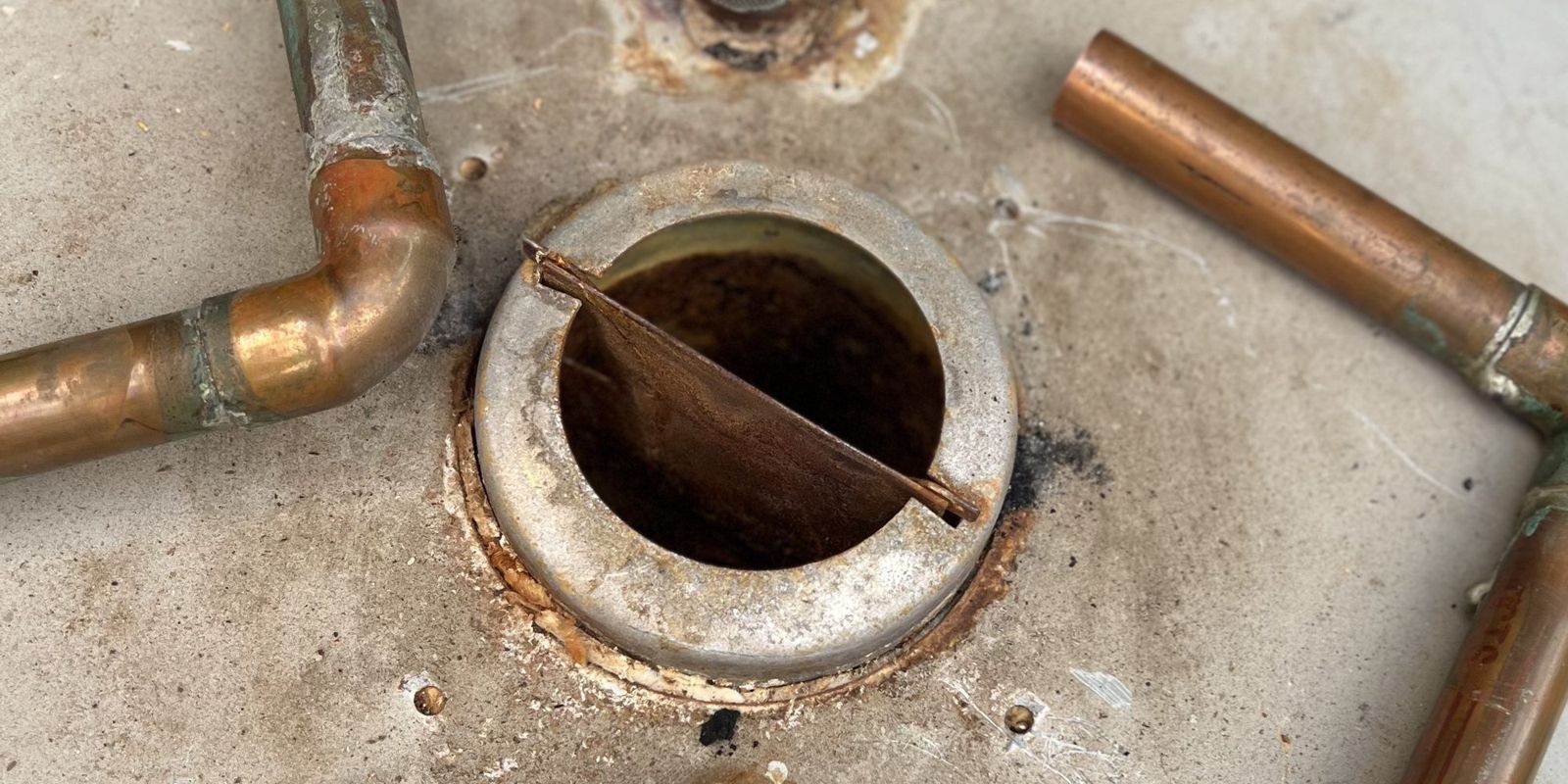
A leak from the base is the one symptom with no repair:
"Water actually under the tank usually means the tank itself has developed a crack. At that point, replacement is the only option — a cracked tank cannot be repaired."
— Hristo Panov, ARG Plumbing
TIP: Water heater replacement in Houston typically runs $900–$2,500 for a standard tank unit installed. Tankless installations run higher. Get two to three quotes before committing.
Common Questions
Frequently Asked Questions
How do I know if my water heater is failing?
The most common warning signs are inconsistent water temperature, rumbling or popping sounds from the tank, rust-colored hot water, and visible leaks around the base or connections. If your unit is over 10 years old and showing any of these symptoms, replacement is likely more cost-effective than repair.
How long do water heaters last in Houston?
Most tank water heaters last 8–12 years in Houston — shorter than the national average of 12–15 years. Hard water accelerates sediment buildup and corrosion. Annual maintenance and tank flushing can push you toward the higher end of that range.
Should I repair or replace my water heater?
If the unit is under 8 years old and the repair is a single failed component, repair usually makes sense. If it is over 10 years old, has multiple issues, or is showing signs of tank corrosion, replacement is the better investment. A good rule: if the repair cost exceeds 50% of a new unit's installed price, replace it.
How much does water heater replacement cost in Houston?
Water heater replacement in Houston typically costs $900–$2,500 for a standard tank unit, fully installed. Tankless units run $2,000–$4,500 depending on the model and complexity. Prices vary based on unit size, fuel type, and whether code upgrades are required.
Is a tankless water heater worth it in Houston?
For most Houston homeowners planning to stay in their home for five or more years, yes. Tankless units last longer, use less energy, and deliver unlimited hot water on demand. The higher upfront cost is offset over time by lower monthly bills and a longer service life.
What should I do if I smell gas near my water heater?
Leave the house immediately without touching any light switches or electronic devices, and leave the door open as you exit. Call CenterPoint Energy's emergency gas line at 713-659-2111 from outside. Do not re-enter until a technician has inspected and cleared the property.
Houston areas we serve
Ready to get help?
Get trusted help from a trusted source.
License-verified pros we vouch for, open for business in your area.
Get Trusted Help