What Is a Slab Leak and How Do Houston Homeowners Find One?
Why Houston's clay soil makes slab leaks common, how to spot the warning signs, and what repair options cost.
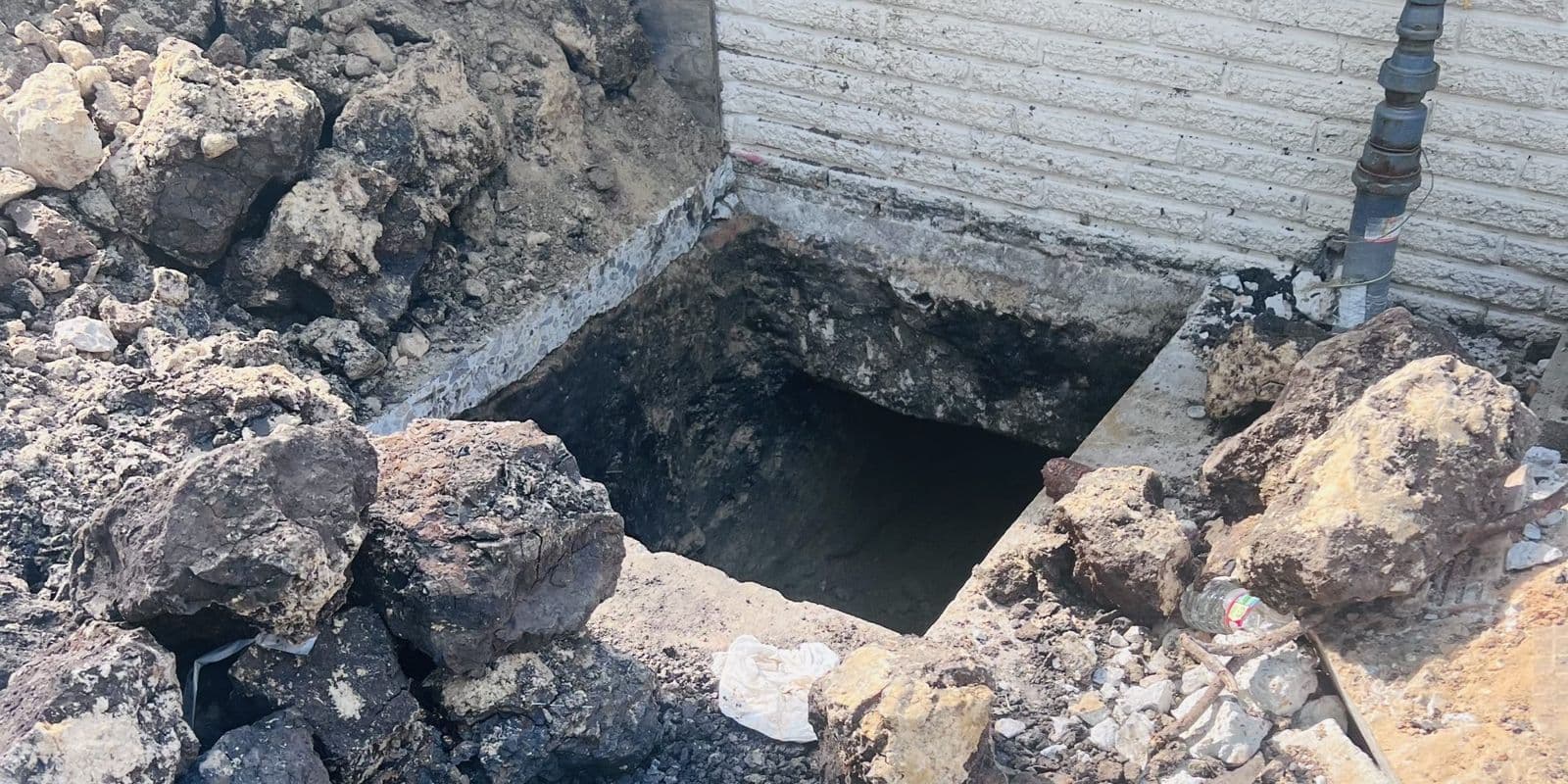
What Is a Slab Leak?
A slab leak is a break or pinhole in a water supply line or drain line that runs beneath your home's concrete foundation. Most Houston homes built on a slab have pressurized copper pipes embedded in or below that concrete. When one of those pipes develops a leak, water escapes into the soil under your home, sometimes for months before the damage becomes visible.
The pipes are not suspended in air where you could spot a drip. They are buried. That is what makes slab leaks so dangerous — by the time most homeowners notice something is wrong, the water has already been pooling under their foundation for weeks.
NOTE: Slab leaks can involve either supply lines (pressurized, carrying water into your home) or drain lines (carrying wastewater out). Supply line leaks are more urgent because the water flows continuously under pressure.
Why Houston Is Especially Prone to Slab Leaks
Houston does not have ordinary soil. The region sits on Beaumont clay, a highly expansive formation that swells dramatically when it absorbs water and shrinks and cracks when it dries out.
- Soil movement shifts the slab. As the clay expands and contracts, your concrete foundation flexes. Pipes embedded in that concrete flex with it. Over time, that repeated stress creates cracks and pinhole leaks.
- Copper pipe corrosion is accelerated. Houston's soil chemistry — including sulfates and chlorides — is corrosive to copper pipe. Older homes with original copper lines are especially vulnerable.
- Hot water lines corrode faster. The combination of heat, pressure, and corrosive soil tends to attack hot water lines first, which is why warm spots on your floor are a specific red flag.
Neighborhoods with older housing stock — Meyerland, Bellaire, West University Place, Montrose, and The Heights — see a disproportionate number of slab leak calls every year.
"Your water bill just jumped $80 for no obvious reason. There is a faint sound of running water, but every faucet is off. The tile near the kitchen feels oddly warm underfoot. Together, these are the classic fingerprints of a slab leak."
Signs You May Have a Slab Leak
Slab leaks rarely announce themselves loudly. They build slowly.
- Unexplained spike in your water bill. If your usage jumped significantly with no change in behavior, water is going somewhere it should not. If you can't find a leak, the bill itself may be wrong: here's how to dispute a City of Houston water bill.
- Warm or hot spots on the floor. A leaking hot water line heats the slab above it. Especially noticeable on tile or hardwood floors.
- Sound of running water when everything is off. Walk through your house with the television off and listen near the floor.
- Low water pressure. A slow pressure drop, especially at specific fixtures.
- Cracks in walls or flooring. As the slab shifts from sustained moisture, stress cracks can appear in drywall, floor tile, or exterior brick.
- Mold, mildew, or musty smells. Persistent moisture beneath your slab eventually wicks upward.
- Wet spots or soft areas on the floor. In severe cases, moisture seeps through the slab itself.
WARNING: Do not ignore a combination of two or more of these signs. Multiple symptoms together mean you should call a licensed plumber for a leak detection test within days, not weeks.
The Meter Test: How to Check Yourself
- Turn off every water source in your home. Faucets, dishwasher, washing machine, ice makers, irrigation system — everything.
- Locate your water meter. In most Houston homes it is near the street in a covered box.
- Record the reading. Write down every number and note whether the small flow indicator is moving.
- Wait 30 minutes without using any water.
- Check the meter again. If the numbers changed or the flow indicator is still moving, water is leaving your system somewhere.
- Shut off the main valve inside your home. If the meter stops, the leak is inside. If it continues, the leak is in the service line between the meter and your home.
TIP: Do the meter test at night after everyone is done using water. That eliminates the chance of a toilet running or a forgotten drip skewing your results.
How Professionals Detect Slab Leaks
Acoustic listening devices detect the sound of water escaping from a pressurized pipe. A technician moves a sensitive microphone along the floor.
Pressure testing isolates sections of the plumbing system to identify exactly which line is losing pressure.
Thermal imaging cameras detect temperature differences in the slab. A hot water line leak shows up as a warm area even through concrete.
Video camera inspection sends a small camera through the drain lines to locate cracks or separations.
Most professional slab leak detection in Houston runs between $150 and $500.
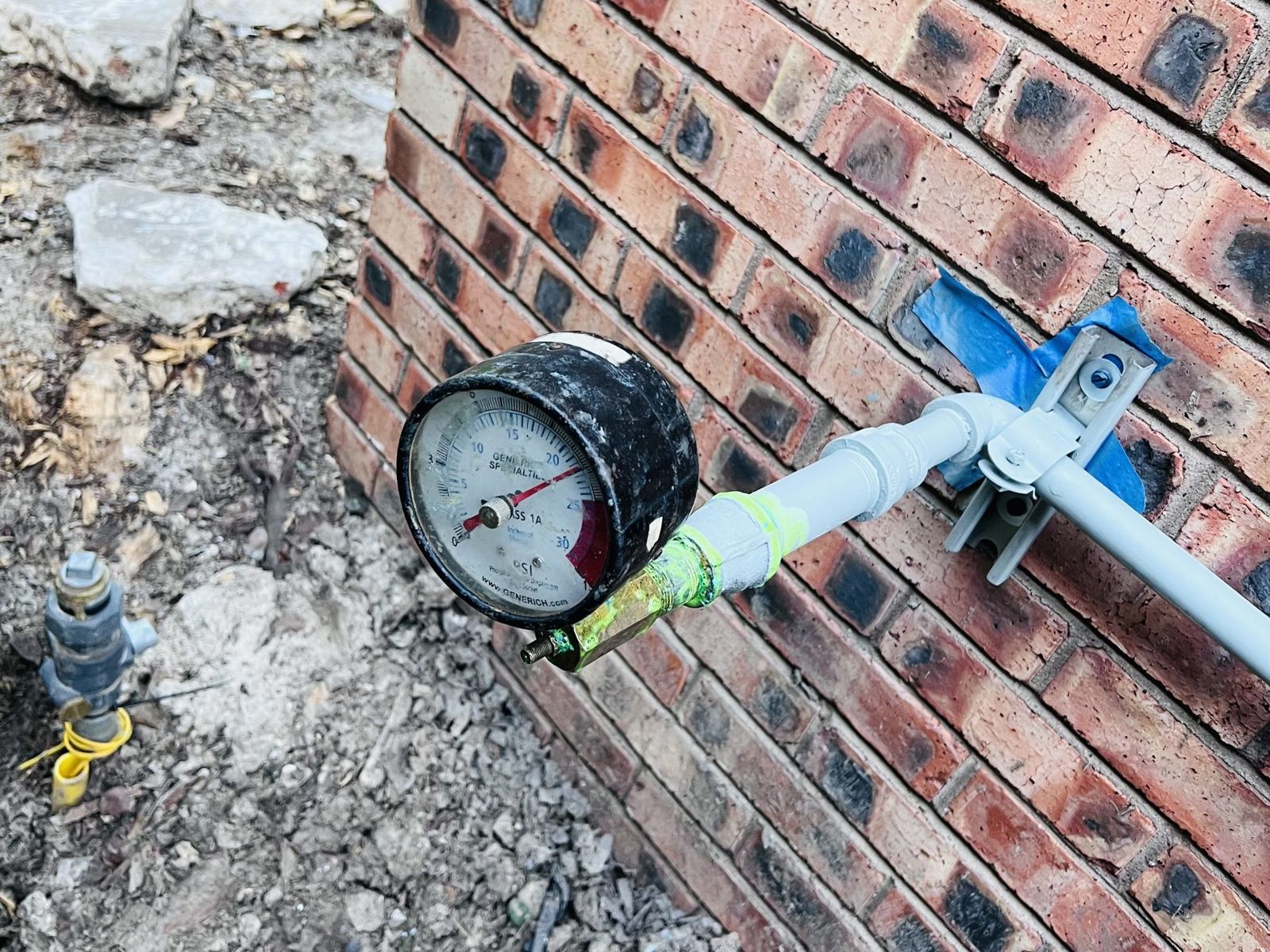
For the warning signs from a plumber who does this work, see ARG Plumbing's slab leak guide.
Repair Options and Cost Breakdown
Spot Repair
The plumber cuts through the concrete directly above the leak, repairs the damaged section, and patches the slab.
- Cost: $500–$2,500
- Best for: Single isolated leaks in otherwise healthy pipes
Tunnel Repair
Workers dig under the slab to reach the pipe without cutting through your flooring.
- Cost: $2,000–$5,000
- Best for: Preserving interior finishes
Pipe Rerouting
The damaged pipe is abandoned and a new line runs through walls or attic instead of under the slab.
- Cost: $3,000–$8,000
- Best for: Older homes with deteriorating copper throughout
Full Repipe
All supply lines are replaced, typically with PEX tubing.
- Cost: $5,000–$15,000
- Best for: Homes over 30 years old with widespread corrosion
TIP: If a plumber recommends a spot repair on a home with original 1960s or 1970s copper pipe, ask them directly how likely additional leaks are. A reroute or repipe is often the more economical decision over a five-year horizon.
A master plumber we work with puts it bluntly:
"In Houston homes with original copper supply lines that are 40–50 years old, fixing the one leak that's currently causing a problem often just means the next pinhole is 6 months away."
— Hristo Panov, ARG Plumbing
What Happens If You Ignore a Slab Leak
Sustained moisture under a foundation on Houston's expansive clay soil can cause uneven slab settling — doors and windows that no longer close, stairstep cracks in exterior brick, significant cracking in interior drywall, and in serious cases, visible foundation displacement.
Foundation repair in Houston runs $5,000 to $30,000 or more depending on severity. A $300 detection call and a $2,000 spot repair looks very different next to a $15,000 foundation invoice.
Does Homeowners Insurance Cover Slab Leaks?
Most standard policies cover sudden and accidental water damage but exclude gradual deterioration. The repair of the pipe itself is almost never covered. What insurance may pay for is the resulting damage to floors, walls, or personal property. Document everything with photos before any repairs begin.
Frequently Asked Questions
How do I know if I have a slab leak?
The most reliable early signs are an unexplained spike in your water bill, the sound of running water when all fixtures are off, and warm spots on your floor. Run the water meter test to get a quick read before calling a professional.
How much does slab leak repair cost in Houston?
Detection typically runs $150–$500. Repair costs range from $500–$2,500 for a spot repair up to $5,000–$15,000 for a full repipe, depending on the scope and repair method.
Does homeowners insurance cover slab leaks?
Policies generally cover sudden, accidental damage but not gradual deterioration. The damage caused by the leak may be covered, but the pipe repair itself usually is not. Review your policy and contact your insurer before work begins.
Can a slab leak damage my foundation?
Yes. Sustained moisture under Houston's expansive clay soil causes the ground to shift unevenly, leading to foundation settling, cracking, and structural movement. Catching a slab leak early is the best way to protect your foundation.
Should I get a slab leak test before buying a home in Houston?
Absolutely, especially in older neighborhoods with original copper plumbing. Ask for a full plumbing pressure test as part of your inspection.
What is better: spot repair or reroute?
Spot repair makes sense for a single isolated leak in an otherwise sound system. If the pipes are old, corroded, or have had previous leaks, rerouting or a full repipe is almost always the better long-term investment.
Need a pro?
Need a verified Houston plumbing pro?
Every pro on Call HTX is license-verified and someone we vouch for. Connect and call them directly.
Get Trusted HelpHouston areas we serve