Why Houston Sewer Backups Double Over the Holidays
Holiday grease and "flushable" wipes cause most of Houston's sewer overflows. Here's what the City says to do with both, and how to tell whether a backup is your line or the City's.
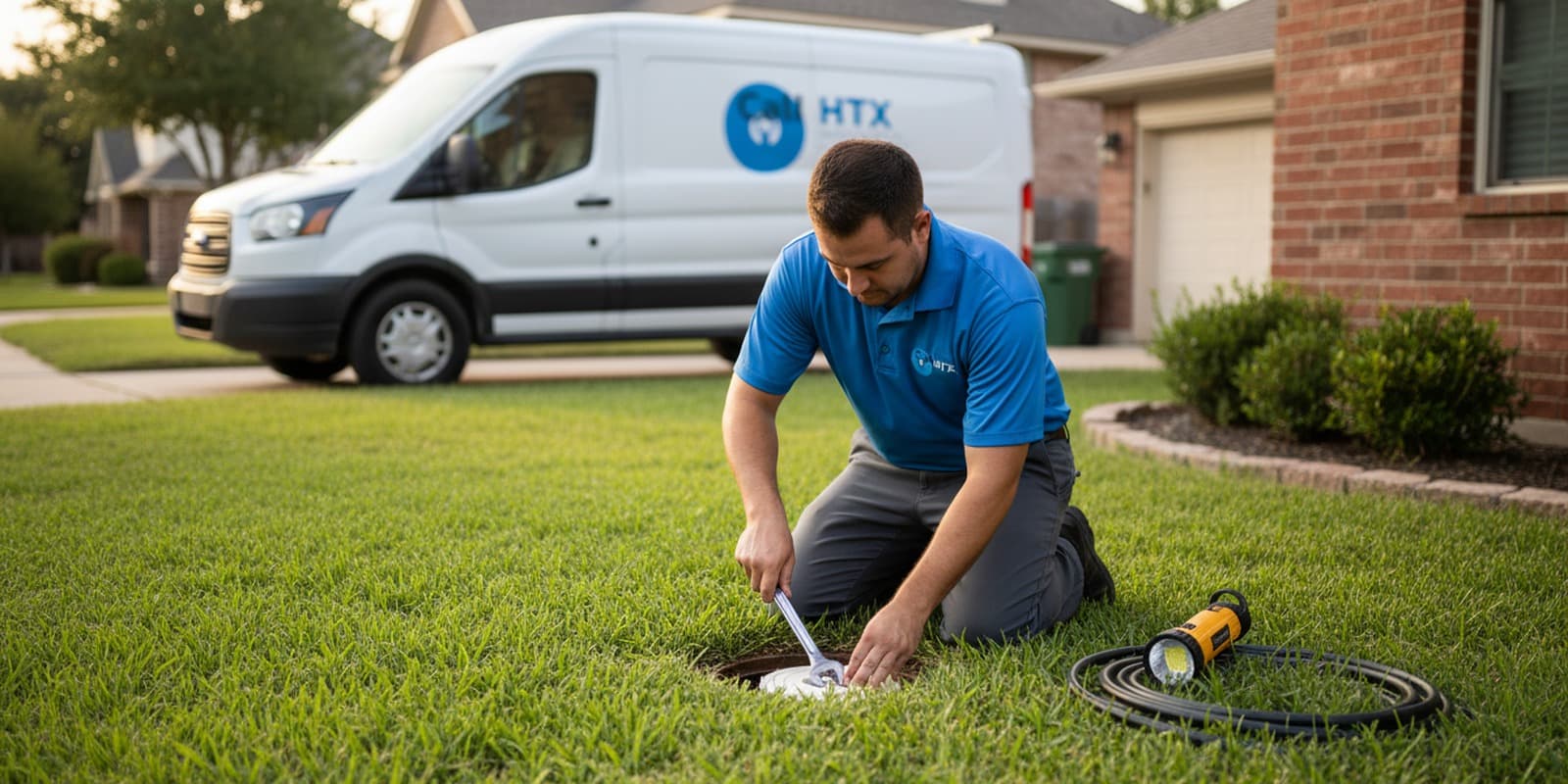
Holiday sewer backups in Houston are not bad luck. They are predictable, and the City of Houston can tell you almost exactly when they will spike: as soon as it gets cold and the big meals start.
Houston Public Works runs a program called Protect Our Pipes built around one number:
"70% of sewer overflows in Houston are caused by clogs from fats, oils and grease poured down the drain and wipes flushed down toilets."
— Houston Public Works
Here is why that gets worse in November and December, what goes in the trash instead, and what to check first if your drains start backing up on a holiday weekend.
Why Holiday Sewer Backups Spike in Houston
The City has tracked this for years:
"Each year, when temperatures decrease, Houston Public Works responds to twice as many sewer overflows due to blockages caused by grease, oils, and fats."
— Houston Public Works
It gives two reasons. First, the holidays mean big meals: turkey, ham, tamales, fried everything. More cooking means more grease going somewhere. Second, the weather. In the City's words, "The colder weather causes grease to quickly solidify while in the pipes. This means that even a little bit of grease poured down your drain can cause a bigger issue."
Hot grease looks harmless going down the sink. A few feet into the line it cools, sticks to the pipe wall, and catches everything that comes after it. Add a few wipes and you have a plug.
NOTE: The City's infographic puts the scale in perspective: if each Houston resident poured one tablespoon of grease down the drain, it would fill an Olympic-sized pool every week.
Put Grease in Its Place: Pour, Cool, Toss
The City's method takes no special equipment:
- Pour fats, oils, and grease into a container you can throw away: an empty can, a glass jar, or a heat-resistant bag.
- Cool it. Cover it and keep it in the fridge until the container is full.
- Toss it in the trash.
Before you wash pans and plates, wipe the grease off with a paper towel and throw the towel away. Use a sink strainer to catch food scraps.
TIP: Deep-frying a turkey? That is gallons of oil, not a tablespoon. Let it cool completely, pour it back into the original jug, and take it to one of the City's Environmental Service Centers, which accept cooking oil for recycling. The City lists Environmental Service Center South at 11500 S. Post Oak Road and Environmental Service Center North at 5614 Neches Street. Check current hours with Houston's Solid Waste Management Department or 311 before you drive over.
It is not just liquid grease. The City's do-not-pour list includes meat fats, mayonnaise, salad dressings and other sauces, butter, yogurt, cream, and coffee grounds.
"Flushable" Wipes Are Not Flushable
Holiday guests mean more bathroom traffic, and more wipes. The City is blunt about it. Wipes labeled "flushable" "still harm our wastewater system and should not be flushed." The same goes for facial tissues and paper towels: they don't break down, and together with grease they cause blockages.
The City's rule is the three P's: pee, poo, and (toilet) paper. Nothing else goes in the toilet. That includes:
- All wipes and rags, even "flushable" ones
- Paper towels
- Dental floss
- Diapers and feminine hygiene products
- Q-tips and cotton balls
- Hair
- Medicines
TIP: Put a small trash can with a lid in every bathroom before guests arrive. Most wipes end up in the toilet because there is nowhere else to put them.
Backing Up? Check the Street Cleanout First
If several drains slow down at once, or a toilet gurgles when the washer drains, you likely have a main line backup. Before you call anyone, the City suggests a ten-second check.
Most Houston homes have a sewer cleanout near the street: a white plastic pipe with a cap, sometimes under a metal cover. Houston Public Works says cleanouts "are used to mark the limits of the City's public collection system."
- Open the cleanout cap by the street.
- Sewer water standing in the pipe? The blockage is on the City's side. Call 311 (713-837-0311 from outside city limits) or submit a 311 request.
- Dry? In the City's words, "it is a sewer blockage on your private line." Call a licensed plumber.
WARNING: Stop using water the moment you suspect a backup. Every flush and every load of laundry has nowhere to go but back into your house. Sewage is a health hazard. Keep kids and pets away from it, and read our sewer backup emergency guide for the full first-hour checklist.
When It Keeps Happening
One backup after Thanksgiving dinner is usually a clog. Backups every few months, or every holiday, usually mean the line itself is failing: roots in old cast iron or clay, a sag that holds grease, or a crack that catches everything.
That is when a camera inspection matters more than another round of clearing the line. If the camera shows broken or root-filled pipe, the fix is repair or replacement of the sewer line, not more cleaning. Our emergency plumber guide covers what that costs in Houston and how to pick someone you can trust.
"Sewer overflows can cost thousands of dollars to repair, harm our health, and pollute the environment."
— Houston Public Works
The City's infographic puts the cost to a homeowner of a sewer overflow at about $2,500 in plumbing repairs and fines, and notes that "in some cases, costs are even higher."
Frequently Asked Questions
Why do sewer backups happen more during the holidays in Houston?
Houston Public Works says it responds to twice as many grease-related sewer overflows once temperatures drop. Holiday cooking produces more grease, and cold weather makes grease solidify quickly inside pipes.
Can I pour grease down the drain if I run hot water after it?
No. Hot water only carries the grease a little farther before it cools and sticks to the pipe. The City's method is pour, cool, and toss: pour grease into a can or jar, let it cool in the fridge, and throw it in the trash.
Are flushable wipes safe for Houston sewer lines?
No. Houston Public Works says wipes labeled "flushable" "still harm our wastewater system and should not be flushed." Only flush pee, poo, and toilet paper.
How do I know if a sewer backup is the City's problem or mine?
Check the sewer cleanout near the street. If sewer water is standing in it, the blockage is on the City's side and you should call 311. If it is dry, the blockage is in your private line and you need a licensed plumber.
Where can I get rid of used cooking oil in Houston?
Small amounts can go in the trash in a sealed container. Larger amounts, like oil from a turkey fryer, can be recycled at the City's Environmental Service Centers. Check current hours with 311 before you go.
Need a pro?
Need a verified Houston plumbing pro?
Every pro on Call HTX is license-verified and someone we vouch for. Connect and call them directly.
Get Trusted HelpHouston areas we serve